For architects, procurement managers, and commercial specifiers, selecting the best wood for furniture is not an aesthetic decision; it is an engineering calculation. Commercial environments subject furniture to aggressive kinetic loads, drastic fluctuations in ambient humidity, and harsh chemical cleaning protocols.
Under these extreme conditions, the cellular biology of the chosen timber dictates whether a piece will survive decades of heavy utility or fail within the first fiscal quarter.
This manufacturer’s guide bypasses consumer-grade marketing to provide a head-to-head material science analysis of the most commonly specified hardwoods and softwoods, evaluating their structural viability for B2B deployment.
The Contenders: A Structural Profile
Before analyzing performance metrics, specifiers must understand the anatomical differences between these common materials.
1. Indonesian Teak (Tectona Grandis)
- Structural Profile: A dense tropical hardwood engineered by nature for extreme stability.
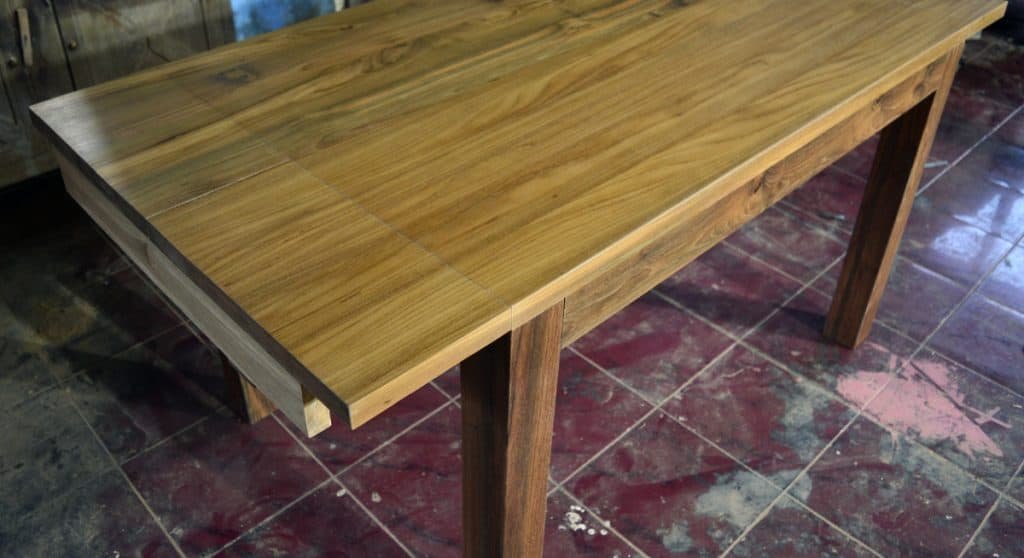
- The Engineering Advantage: Teak’s cellular matrix is saturated with tectoquinones (natural oils) and silica. This internal chemistry creates a highly hydrophobic barrier. It possesses an extremely low volumetric shrinkage coefficient, meaning it resists warping and checking even when subjected to severe thermal and moisture shocks. It is the absolute gold standard for both high-traffic interior and exterior commercial applications.
2. Mahogany (Swietenia Macrophylla)
- Structural Profile: A highly stable tropical hardwood favored for its exceptional machinability and tight grain.
- The Engineering Advantage: Mahogany boasts an excellent strength-to-weight ratio and holds intricate CNC routing and deep carving without splintering. However, it lacks the high silica and natural oil content of teak. While excellent for climate-controlled interiors, its porous nature makes it highly susceptible to moisture degradation and rot if deployed in exterior or high-humidity environments.
3. Oak (Quercus)
- Structural Profile: A heavy, exceptionally hard temperate hardwood with prominent, open growth rings.
- The Engineering Advantage: Oak wood ranks very high on the Janka hardness scale, making it highly resistant to kinetic impacts and surface denting. The critical flaw for commercial use is its open-pore structure. Oak acts via capillary action, rapidly absorbing ambient moisture if its chemical finish is breached. Furthermore, its high tannic acid content reacts violently with ferrous metal fasteners when exposed to moisture, causing severe black staining and joint failure over time.
4. Acacia and Mango Wood
- Structural Profile: Fast-growing, highly abundant woods frequently utilized in mass-market “fast furniture.”
- The Engineering Advantage: Their primary advantage is low upfront material cost. Structurally, these woods are highly unstable. They possess a high degree of interlocked grain that creates massive internal tension during the drying process. They require heavy, film-building finishes (like thick Polyurethane) to remain stable. If scratched in a commercial setting, the exposed fibers will quickly absorb moisture, leading to catastrophic warping. They are strictly suited for low-budget, low-impact, climate-controlled interiors.
Head-to-Head: Performance Metrics for Commercial Procurement
When evaluating the best wood for furniture for a hospitality rollout or architectural project, rely on these operational metrics:
| Substrate | Kinetic Impact Resistance | Hygroscopic Stability (Moisture) | Machining & Joinery Tolerances | Commercial Viability |
|---|---|---|---|---|
| Indonesian Teak | Extremely High | Supreme (Hydrophobic) | High (Requires carbide tooling) | Optimal (Interior & Exterior) |
| Mahogany | High | Low (Absorbs humidity) | Supreme (Perfect for detail) | High (Climate-controlled only) |
| Oak | Extremely High | Poor (Open-pore capillary action) | Moderate (Prone to splintering) | Moderate (Strictly interior) |
| Acacia / Mango | Low to Moderate | Very Poor (High warp risk) | Low (High internal tension) | Low (Budget applications only) |
Detailed Analysis: Why Teak Dictates the Commercial Standard
1. Dimensional Stability Under Stress
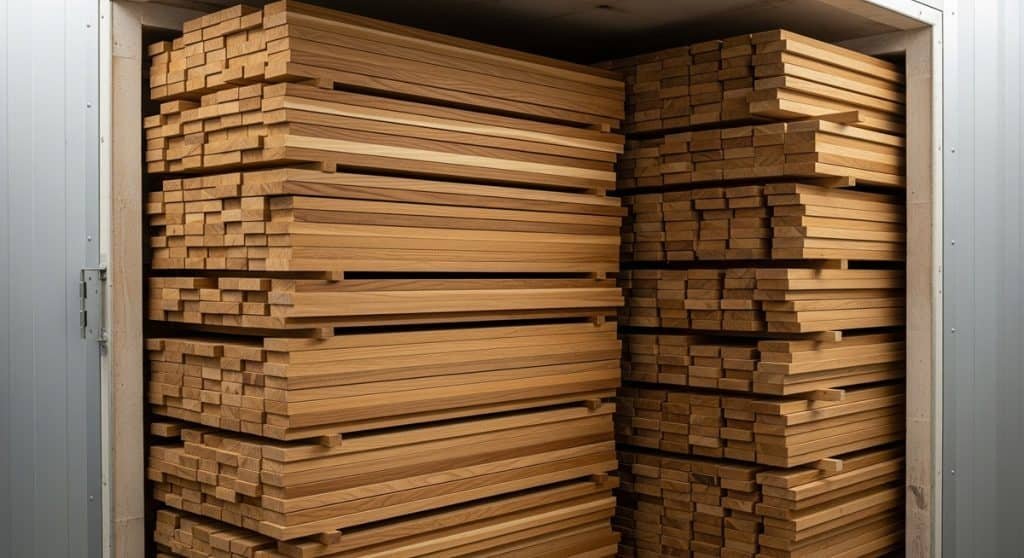
The primary failure point of commercial casework and seating is joint separation caused by seasonal wood movement. Woods like oak and acacia constantly expand and contract as HVAC systems cycle. This lateral movement shears industrial adhesives and elongates fastener boreholes. Teak’s low shrinkage coefficient, locked in by our strict 8–12% Equilibrium Moisture Content (EMC) kiln-drying protocol, ensures that precise Mortise and Tenon joints remain immobilized permanently.
2. The Exterior Imperative
For outdoor hospitality spaces, the list of viable timbers drops to exactly one. Specifying mahogany, oak, or acacia for an exterior resort patio requires thick, plasticized chemical sealants. Under UV radiation, these sealants will blister and peel within 12 months, allowing moisture to rot the core. Teak requires zero chemical sealing. Its internal silica and oils naturally repel water and insects, allowing the timber to gracefully oxidize into a stable silver patina without losing a fraction of its load-bearing capacity.
3. Operational Maintenance (OpEx)
In high-traffic environments, surface scratches are inevitable. When a heavily varnished oak or mango wood table is scratched, the seal is broken, and costly off-site refinishing is required. Because teak’s protection is internal, surface scratches do not compromise the wood’s structural integrity. Minor blemishes can be quickly buffed out by on-site maintenance staff, aggressively lowering your long-term Operational Expenditure (OpEx).
Conclusion: Engineering Over Aesthetics
While many woods offer visual appeal, commercial procurement demands structural certainty. When calculating the lifespan, maintenance costs, and failure risks of a large-scale project, Tectona Grandis (Indonesian Teak) is mathematically and structurally the best wood for furniture.
At Naramulya, we engineer this superior substrate with zero-tolerance joinery to ensure your project performs flawlessly for decades. Contact our technical team to specify high-grade teak for your next commercial rollout.