

At Naramulya, we believe that durable, commercial scale furniture begins with a deep, technical understanding of the materials. When it comes to manufacturing pieces that withstand decades of use, the single most important component is the wood itself. For this, we have built our workshop’s reputation on the superior characteristics of Indonesian teak wood.
This guide is a transparent, straightforward look into our manufacturing philosophy. It is designed to provide architects, B2B partners, and discerning buyers with a clear understanding of what dictates Indonesian teak wood quality and makes a piece of furniture a true long term investment. We will walk you through the critical anatomy of the material from its origins and our honest grading system to the vital physics of wood drying and joinery. This is the technical reality that defines every piece leaving our facility..
Table of Contents
Section 1: The Anatomy of Indonesian Teak Wood
The Material Profile
Let’s start with the source. Indonesian teak wood, known botanically as Tectona grandis, is a tropical hardwood that has earned a global reputation for one simple reason: its uncompromising strength and natural durability. As a material, it is dense, heavy, and provides the solid structural foundation necessary for commercial-grade construction.
Silica and Natural Oils (The Inherent Defense System)
The unique performance of teak stems from its internal chemistry. The wood contains a high concentration of natural oils and silica infused rubber deeply embedded within its cellular grain. This is not a chemical additive; it is the wood’s inherent defense mechanism.
These compounds act as a natural water repellent, preventing moisture from penetrating the core. This effectively stops the warping, cracking, and brittleness that plague other hardwoods or engineered wood. It is exactly why teak is uniquely suited to survive demanding outdoor environments and shifting climates.
The Geography of Quality
The historical performance of teak is well documented. For centuries, master shipbuilders specified teak for the decks of ocean going vessels because it could withstand decades of saltwater and harsh sun. Our philosophy is grounded in this simple fact: if the material can handle the ocean, it will comfortably provide a lifetime of service in a resort or home.
However, geography matters. The density and quality of teak are heavily influenced by the soil it grows in. The optimal teak requires calcisol soils with a high lime content. In Indonesia, the most prized, structurally stable timber is harvested from specific limestone rich regions, particularly Blora, Cepu, Pacitan, and parts of Gunung Kidul. While other regions produce good timber, lumber from these specific areas remains the absolute gold standard in our industry.
Section 2: Material Transparency: Our Grading System
A core part of our commitment to transparency is educating our clients that Indonesian teak wood quality comes in different classifications. The price and aesthetic of a finished piece are tied to the grade of the timber used.
It is crucial to understand that there is no universally enforced grading standard in the Indonesian furniture industry. Even within official PERHUTANI plantations or private farms, raw timber is sold in dozens of complex, shifting sub-grades. To cut through this industry ambiguity, the A, B, and C classifications detailed below are strictly Naramulya’s proprietary internal standards. We engineered this streamlined three-tier system to shield our B2B partners from the confusing variables of the raw timber market, providing you with absolute clarity and predictable quality for your specific budget.
This proprietary system allows us to engineer solutions for a wide range of B2B project requirements without ever compromising on structural honesty.
Grade A (Premium Heartwood)
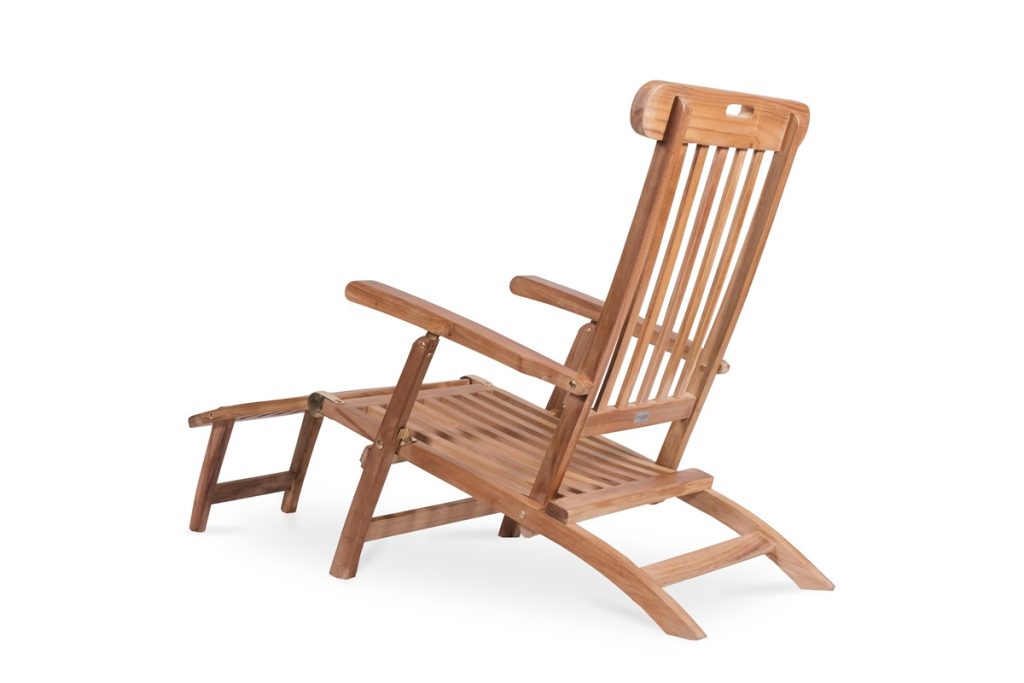
- The Wood: We specify Grade A teak from large, mature trees grown in government managed PERHUTANI plantations. These strictly maintained forests produce timber with a remarkably stable and tight grain. We utilize only the “heartwood” the dense, oil rich center of the log. This requires milling away the outer sapwood, which increases material cost but delivers the most consistent golden brown color and the highest concentration of protective oils.
- Best For: High-end architectural projects, bespoke furniture commissions, and clients specifying the absolute highest visual and material standard.
Grade B (Commercial Heartwood)
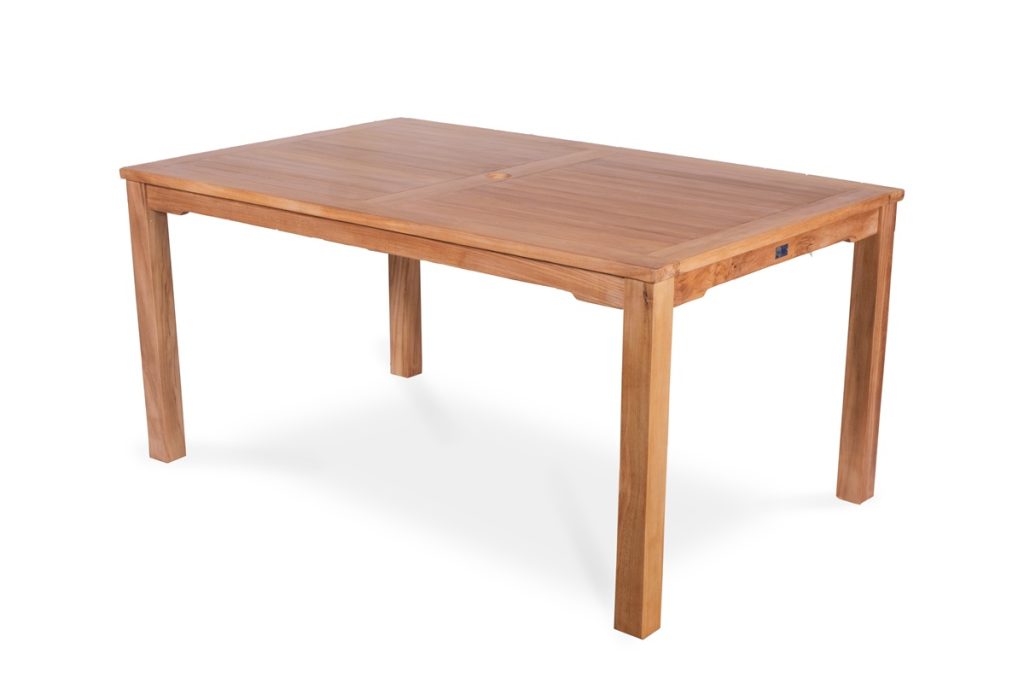
- The Wood: For Grade B, we source large logs from privately-owned plantations (kayu rakyat). We still specify heartwood-only, ensuring the final product maintains the exact same structural strength and weather resistance as Grade A. The primary difference is simply the wood’s origin and a slightly broader grain variation, which allows for a more accessible commercial price point.
- Best For: The vast majority of our projects. Grade B offers the best balance of high performance and cost-effectiveness, making it the preferred choice for many of our professional and retail clients.
Grade C (Highly Durable, Budget-Engineered)
- The Wood: Let’s be clear: Grade C is still highly durable Indonesian teak. It possesses the inherent strength of Tectona grandis. For Grade C, we utilize timber from smaller-diameter logs and use the full plank, which includes the lighter colored “sapwood” layer.
- The Reality: The difference is primarily cosmetic. The sapwood creates a two tone color variation and has slightly less natural oil than the deep heartwood. However, structurally, it is incredibly resilient when handled correctly. We typically utilize Grade C for indoor collections or pieces that will receive darker, unifying finishes.
- Best For: High volume projects where the budget is the primary driver, and aesthetic consistency is achieved through finishing rather than the raw grain.
Our Standard
Our company standard for all Naramulya branded collections is to use Grade A and B wood. We are fully capable of manufacturing with Grade C for specific B2B projects, but we believe in being completely transparent about the material specifications at every level.
Section 3: The Physics of Wood: Our Drying Process
You can source the finest Grade A teak in the world, but if the internal moisture isn’t managed correctly, the furniture will fail. When a tree is first cut, the wood is “green” and full of water. If you build with green wood, it will violently shrink, twist, and crack as it dries unevenly. Joints will pull apart, and tabletops will warp.
To prevent this, we employ a rigorous, two step drying protocol.
Step 1: The Pre-Kiln (Air Drying)
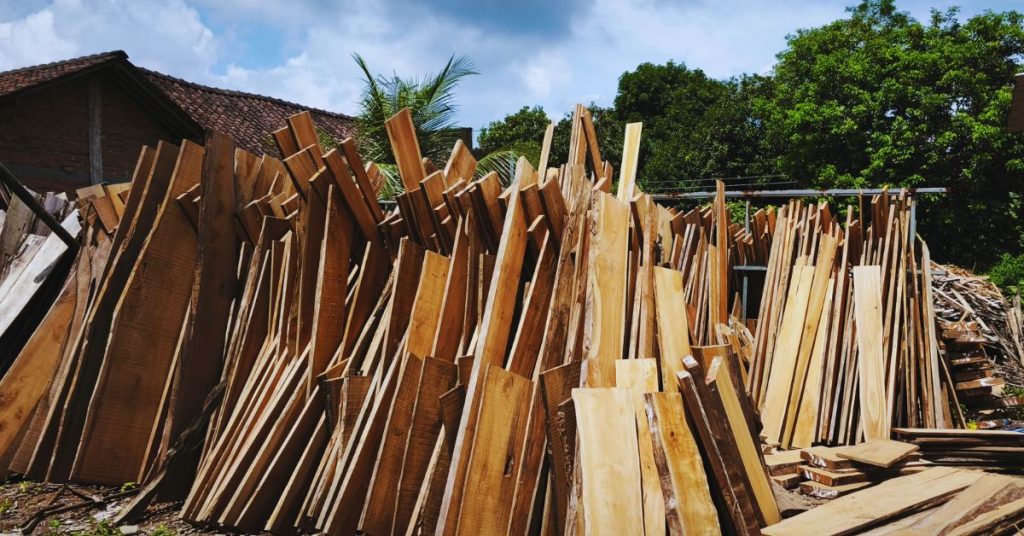
Many assume that throwing wood straight into a kiln is the best method. In reality, that is a recipe for thermal shock. Before our teak ever sees a kiln, it must be properly air-dried. We stack the lumber with spacers, allowing natural air to circulate. This crucial pre kiln phase allows the wood to release its surface moisture slowly and naturally, preventing the cellular structure from fracturing when it eventually faces higher heat.
Step 2: The Kiln (Manual Precision)
Once the wood has safely air dried, it moves into our kilns. We don’t rely on automated, hands off machinery. Our kiln drying is a heavily monitored, manual practice managed by experienced operators. Through controlled heat and airflow, we carefully extract the deep, internal moisture until the wood reaches a stable Moisture Content (MC) of 8-12%.
This exact percentage is the sweet spot for indoor and outdoor furniture. It locks the wood’s dimensions in place, guaranteeing that our pieces remain straight, strong, and structurally sound, regardless of the climate they are shipped to.
Section 4: From Plank to Product (The Real Work)
Once the teak is properly stabilized, it enters our workshop. This is where authentic craftsmanship meets commercial execution.
Choosing the Right Boards
Quality manufacturing begins with mindful selection. For a large tabletop, our craftsmen carefully arrange multiple boards to create a continuous, visually pleasing grain pattern. For load-bearing components like legs, we specifically select planks with the straightest grain for maximum structural integrity.
The Heart of Construction: Mortise & Tenon Joinery
The way pieces of wood are connected determines how long the furniture will last. We do not rely on a handful of screws that will inevitably rust or loosen. We utilize advanced, traditional joinery, most notably the Mortise and Tenon.
By cutting a precise hole (the mortise) into one piece and shaping the end of another (the tenon) to interlock perfectly, we create a physical, wood-to-wood connection that can handle immense weight and stress for a lifetime.
Industrial Bonding: 2-Part Epoxy & PU
Even the tightest joint requires the right adhesive. Standard white wood glue is insufficient for furniture exposed to shifting humidity. We utilize high-quality, waterproof adhesives, such as polyurethane (PU) or 2-component epoxy. These glues create a permanent, weatherproof bond that is often stronger than the wood itself.
Sanding and Finishing
Before finishing, every surface undergoes rigorous sanding, moving from coarse to very fine grits. This isn’t just about aesthetics; proper sanding closes the wood’s pores, resulting in a smooth, tactile surface. From there, we apply finishes tailored to the project’s needs:
- Water-based: A durable, low-VOC option.
- Oil-based: Penetrates deeply to enhance the natural grain.
- Nitrocellulose (NC): Excellent for classic, refined interior finishes.
- Polyurethane (PU): Highly resistant to UV and moisture for heavy use.
Section 5: A Guide to Care & Aging
One of the greatest advantages of high-quality teak is that it requires very little maintenance, especially outdoors. How it ages is entirely up to your preference.
The Silver Patina (The Natural Evolution)
If left outdoors untreated, the sun’s UV rays will naturally evaporate the surface oils. Over time, the wood will gracefully transition from golden-brown to a soft, silvery-grey patina. This is a completely natural process and does not compromise the structural strength of the wood. Many architects specifically design spaces around this beautiful, weathered look.
Maintaining the Golden-Brown Color
If you or your hospitality clients prefer to retain the original honey color, it simply requires applying a high-quality UV teak sealer annually. This blocks the UV rays and locks the natural oils inside the grain.
Basic Cleaning
Regardless of the finish, basic maintenance is simple. A bucket of water, mild soap, and a soft bristle brush are all you need to remove dust or pollen. We strongly advise against using harsh chemical cleaners or high-pressure washers, which can strip the wood’s natural defenses.
Section 6: Legal Compliance & Sustainability
As a commercial-scale workshop, we recognize our responsibility to the forests that supply our materials. Sustainability for us means ensuring legal, traceable sourcing so that these resources remain viable for generations.
SVLK (Sistem Verifikasi Legalitas Kayu)
This is the Indonesian government’s strict timber legality verification system. It guarantees that every piece of wood we use is 100% legally harvested and traceable, ensuring it is never sourced from protected national parks. Compliance with SVLK is our absolute baseline.
FSC (Forest Stewardship Council)
For projects that require an even higher standard of environmental and social responsibility, we maintain the supplier networks necessary to source FSC-certified teak upon request.
Conclusion
The truth about Indonesian teak wood quality isn’t hidden behind marketing jargon. It comes down to honest material selection, the patience to execute proper air-and-kiln drying, and the craftsmanship of true joinery. That is the difference between furniture that survives a few seasons and furniture that lasts a lifetime.
At Naramulya, we believe in building it the right way. If you have questions about our technical specifications, or if you are ready to discuss your B2B container requirements, please get in touch. We are proud of our workshop and ready to engineer your next project.